I grew up in board meetings. In some ways, I never left.
My parents built a business, and I grew up inside it: strategy at the dinner table, decisions weighed out loud, the stakes personal.
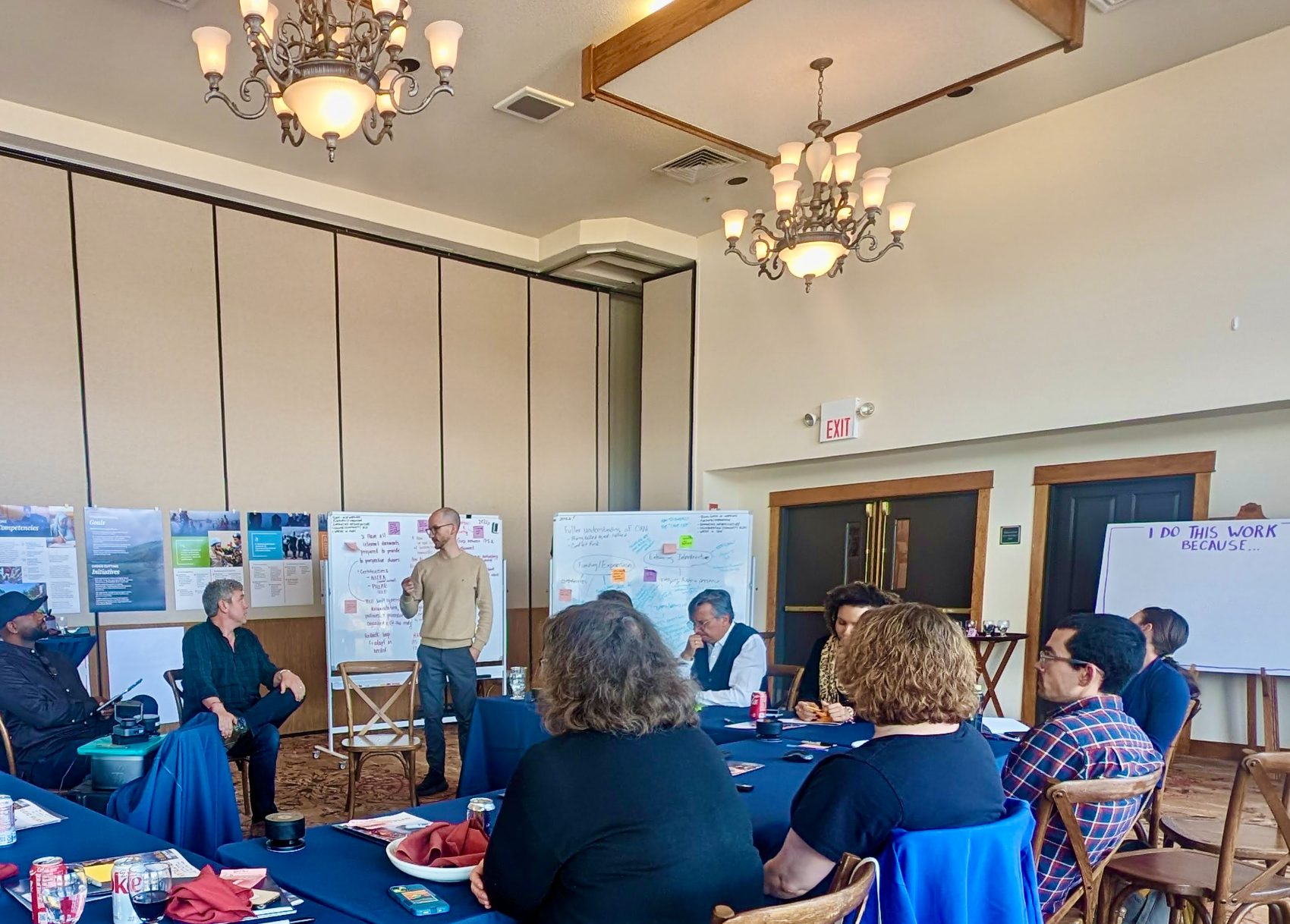
Every organization I've been part of since has pulled me quickly into its highest-level strategy conversations — not as a listener, but as a contributor helping shape the direction. At One Earth Future, a foundation that incubates peacebuilding programs, I spent seven years helping the organization know what was working and decide what to do next. I built the program development process that became the foundation's strategic framework, led the department responsible for impact and learning, and served as de facto chief of staff through a full leadership transition. What I took from those years wasn't a methodology. It was how to see across a complex system and translate between the people inside it.
I've sat on the founder's side of the table too. I bootstrapped a startup, analyzed early-stage investments for an angel firm, and did commercial strategy where the results showed up in the numbers. I know what it feels like to carry an idea the world hasn't agreed to yet.
Today I hold leadership roles in two organizations whose missions aim at nothing less than global-scale impact: director of one, co-founder and chief operating officer of the other. I'm not advising on audacious missions from the outside. I'm carrying them too.
So when I sit with a leader, I'm not guessing at what the seat feels like. I know how lonely the top can be. I know what it is to project confidence and clarity for a team while carrying private doubt, because that steadiness is part of the job. And I know the weight of a decision that is appropriately yours alone, one that will set the direction of the whole organization, with no success assured.
I also know the particular risk that comes with audacious goals: the moment a team stops believing in its own capacity to execute, and starts endlessly pivoting and reassessing instead of moving. What's needed then is rarely another reinvention. Sometimes it's a clearer plan and the why behind it. Sometimes it's operationalizing the plan so people can actually contribute to it. And sometimes it's simply reconnecting with what gave rise to the plan in the first place.